
Woodward Shoutouts
Archives
Unveiling the Misconceptions: The Truth About Woodward, Oklahoma
SIGN UP FOR OUR NEWSLETTER
What Outsiders Get Completely Wrong About Woodward, Oklahoma |
A small-town reality that shatters stereotypes and surprises almost everyone who looks closer |
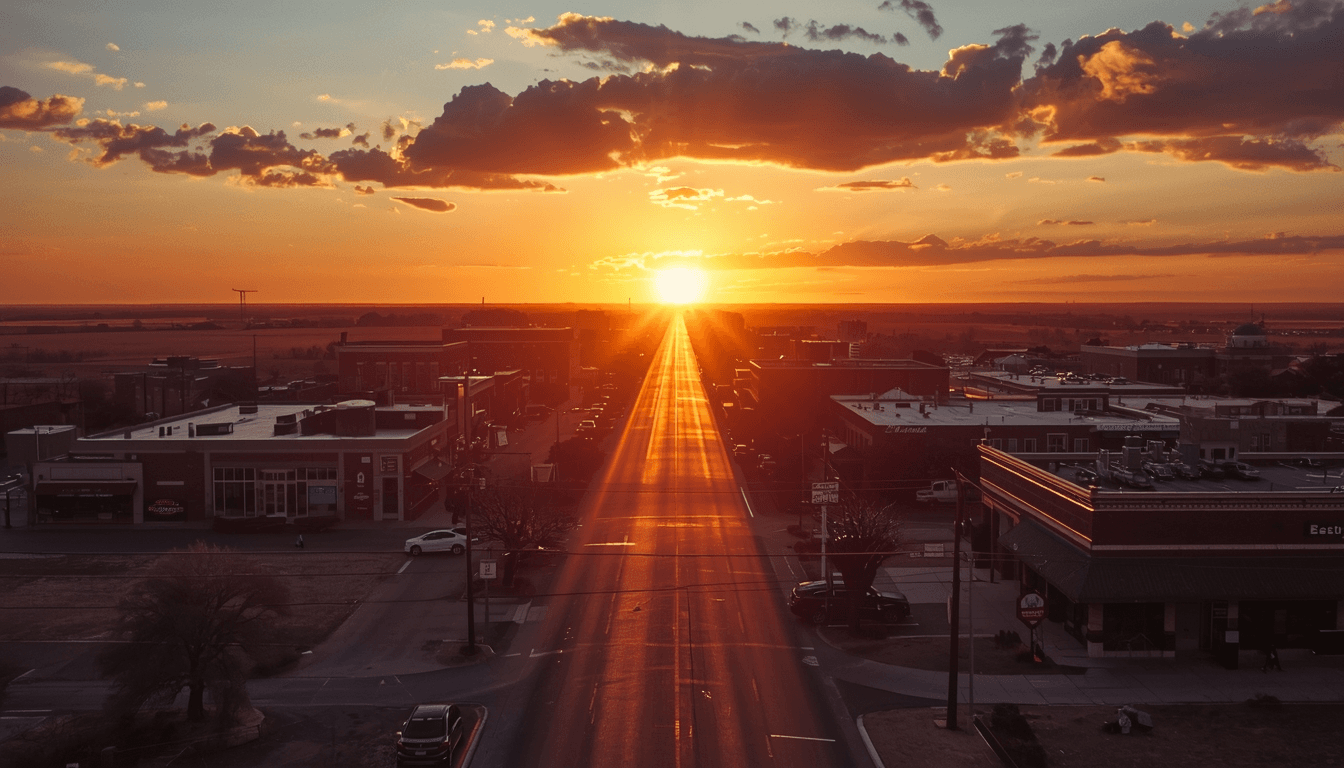 |
For many people who have never set foot in Woodward, perceptions are shaped by stereotypes about rural Oklahoma rather than lived experience. Outsiders often imagine a flat, empty place with little culture, limited opportunity, and nothing to do. The reality on the ground tells a very different story—one shaped by resilience, regional importance, history, and a strong sense of community that outsiders rarely understand.
Below are the most common misconceptions about Woodward, Oklahoma—and what the town is actually like.
“There’s Nothing to Do in Woodward”
This is one of the most persistent myths, and it’s also one of the easiest to disprove. Woodward serves as a regional hub for northwestern Oklahoma, which means it naturally offers more recreation, dining, and events than many people expect. Locals enjoy outdoor spaces like Crystal Beach Park, Boiling Springs State Park nearby, and community sports leagues that keep families active year-round. Seasonal festivals, school sporting events, rodeos, and holiday celebrations bring the town together regularly. While Woodward doesn’t offer big-city nightlife, it provides something many cities lack: accessible, affordable entertainment rooted in community.
“Woodward Is Isolated and Cut Off From Everything”
On a map, Woodward may look remote—but functionally, it isn’t. The city sits along major highways and acts as a service and commerce center for surrounding counties. Residents routinely travel to larger cities like Enid, Liberal (Kansas), or even Oklahoma City for specialized needs, but most day-to-day necessities are available locally.
What outsiders miss is that Woodward’s location is strategic, not accidental. It developed as a transportation and trade hub, and that role continues today in agriculture, energy, healthcare, and education.
“Everyone Thinks the Same and Lives the Same Way”
Another misconception is that Woodward lacks diversity—culturally, economically, or intellectually. In reality, the city includes farmers, ranchers, healthcare professionals, educators, oil and gas workers, small business owners, and remote professionals.
Generational families live alongside newcomers who arrived for work or affordability. Political, religious, and cultural views vary more than outsiders assume. Like many small cities, diversity isn’t always visible at a glance—but it’s present in lived experience, conversation, and community involvement.
“There Are No Real Career Opportunities”
Outsiders often assume Woodward is only for people who want to farm or retire. In reality, the city supports a surprisingly broad employment base. Energy, healthcare, education, manufacturing, logistics, and government jobs all play significant roles in the local economy.
Woodward’s regional hospital, school system, and service industries provide stable employment. In recent years, remote work has also allowed professionals to live in Woodward while working for national or global companies—benefiting from lower living costs without sacrificing income.
“Small Towns Are Stuck in the Past”
Woodward deeply respects its history, but that doesn’t mean it’s frozen in time. The city continues to modernize infrastructure, schools, and businesses while preserving local traditions. Broadband expansion, updated medical facilities, and new housing developments show ongoing investment in the future. Institutions like the Plains Indians and Pioneers Museum reflect a commitment to understanding the past accurately, not romantically. Outsiders often confuse historical pride with resistance to change—but in Woodward, the two coexist.
“People Aren’t Welcoming to Outsiders”
This misconception couldn’t be further from the truth. While Woodward residents value relationships and reputation, newcomers are generally welcomed—especially those who participate in the community rather than judge it from a distance. In small cities, trust grows through involvement: school events, local businesses, churches, volunteer work, and civic organizations. Once that connection is made, many transplants find Woodward far more welcoming than larger, more anonymous cities.
“It’s Just Another ‘Middle of Nowhere’ Town”
Outsiders often overlook the importance of towns like Woodward because they don’t dominate headlines. But Woodward plays a crucial role in regional stability—supporting rural healthcare access, education, emergency services, and commerce across a wide geographic area.
Communities like Woodward are the connective tissue of the country. They don’t exist to impress outsiders; they exist to function, endure, and support the people who rely on them every day.
“Life There Must Be Boring or Limited”
Life in Woodward isn’t about constant stimulation—it’s about balance. Lower crime, affordable housing, short commutes, and strong social networks create a quality of life many outsiders underestimate.
Residents often trade excess choice for deeper connection. Instead of endless options, there’s familiarity, reliability, and a sense that what you do actually matters to the people around you.
“Nobody Chooses to Live in Woodward”
One of the most incorrect assumptions is that everyone in Woodward is “stuck.” In truth, many residents choose to stay—or move there—because of the lifestyle. Affordability, family ties, safety, and community involvement are deliberate priorities, not compromises.
Some people leave and return later in life, appreciating Woodward more after experiencing larger cities. Others arrive unexpectedly and stay longer than planned because the town offers something rare: a sense of belonging.
The Reality Outsiders Miss
What outsiders get wrong about Woodward, Oklahoma is assuming it should be something else. Woodward isn’t trying to be a major metro, a tourist destination, or a cultural trendsetter. It’s a working community with deep roots, real responsibilities, and people who take pride in keeping it going.
To understand Woodward, you have to look beyond stereotypes—and listen to the people who call it home. |